
Why Phantom Is the Wallet to Try on Solana (and How to Add It to Your Browser)
Okay, so check this out—I’ve been messing around with Solana wallets for a while and Phantom keeps popping up. Wow! The UI is clean. The onboarding is almost annoyingly simple. My instinct said this would be one of those shiny things that looks nice but underdelivers. Actually, wait—let me rephrase that: at first it looked like just another extension, but the little details kept pulling me back.
Seriously? Yes. Phantom nails the balance between power and simplicity. Short story: if you care about NFTs, quick DeFi swaps, or fast Solana transactions, Phantom makes those workflows smooth. Hmm… that said, there are trade-offs. Security hygiene still depends on you. Be careful with seed phrases. Keep them offline.
First impressions, and why they matter
When I first installed a Solana wallet years ago, setup felt clunky and cryptic. My brain immediately resisted. But Phantom’s flow is different. It guides you through creation, backup, and basic settings with fewer jargon traps. On one hand it’s forgiving. On the other hand the simplicity can lull you into complacency, which bugs me. So don’t get lazy—back up your seed. Seriously.
Here’s the practical bit. If you want Phantom as a browser extension, the place to grab it is right here: here. My recommendation is to verify the source and cross-check the extension publisher in the Chrome or Firefox store before you click install. I’m biased, but I’ve learned to double-check everything in the Bay Area crypto meetups and online threads—paranoia helps.
Whoa! A quick note on browsers: Phantom works best on Chromium-based browsers and Firefox, but some quirks appear with Safari extensions. If your workflow is Apple-heavy, expect a couple of UI differences. For Windows or Linux you’re usually fine. For mobile, Phantom has standalone apps too, though the extension is what most traders and NFT folks use on desktop.
Security: not glamorous, but essential
My instinct said, «This is safe enough,» and then I dug deeper. On one hand Phantom stores keys locally and integrates with hardware wallets like Ledger. On the other hand, the convenience of click-to-approve can be abused if you grant permissions without thinking. Initially I thought browser isolation was enough, but then realized browser extensions create an attack surface.
So, here’s the working rule I use: never approve a transaction blindly. Check the destination, double-check amounts, and—when a large transfer is involved—confirm on a hardware device. Also, watch for sites trying to request access to your wallet for odd reasons. If a dApp asks to sign a message without a clear purpose, bail. These are simple habits, but very effective.
Something felt off about some third-party sites in the past and my gut saved me. I closed the tab and reloaded the dApp from a known source. That little pause—it’s underrated. It costs you five seconds, and it might save thousands.
Day-to-day use: the features that actually matter
Phantom’s token view makes tracking quick. The swap feature is handy when you need to move tokens without leaving the extension. NFT support? Solid. You can view collections and even list items. The UX is what folks talk about. But there’s more: transaction speeds on Solana are fast, and Phantom keeps you in flow, which is ideal for active traders or NFT collectors during drops.
That said, no wallet is perfect. Phantom’s advanced settings are minimal compared to full-node setups or more technical wallets. If you want granular gas fee tuning or complex multisig out of the box, you might look elsewhere or pair Phantom with other tools.
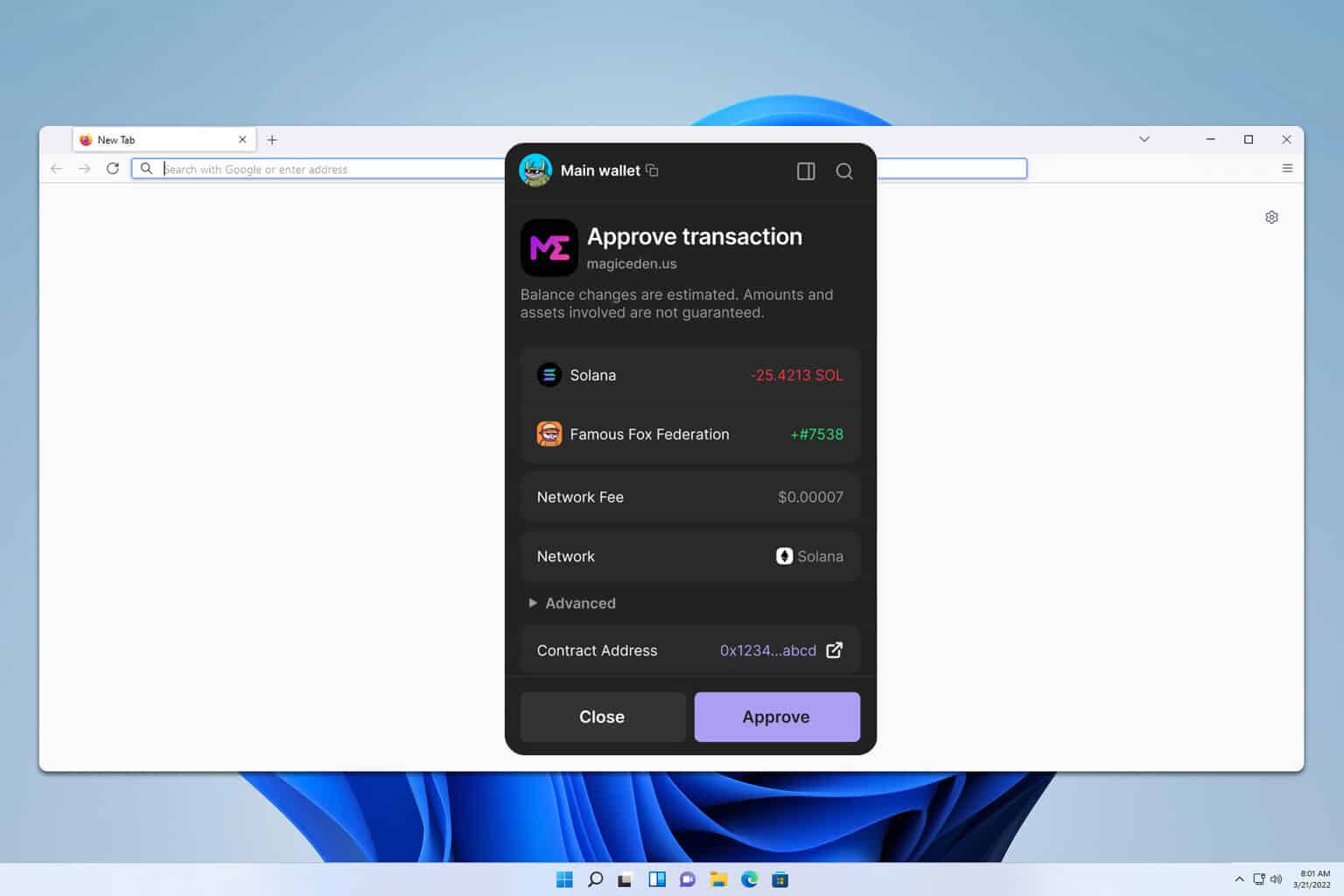
Oh, and by the way… Phantom’s approval prompts are clearer than many alternatives, but novice users still click before reading. This part bugs me. Training yourself to read approvals is very very important.
Common pitfalls and how to avoid them
Phishing is the big one. Clone sites and fake extension listings exist. Always verify the extension author in the store and cross-check social accounts. If a link came from an unsolicited Discord DM or Twitter DM, treat it with suspicion. My rule: don’t follow direct links from DMs to wallet downloads—download from verified sources or the official site.
Another pitfall is account fragmentation—having multiple wallets and losing track. Use clear labels and export your public addresses to a secure note if you manage several accounts. Also, test transactions with tiny amounts first. This is dull, but it prevents oops moments.
One more thing: keep browser extensions lean. Too many extensions increase risk. Disable or remove ones you don’t use. It’s basic computer hygiene but worth repeating.
FAQ
Is Phantom free to use?
Yes. Installing and using Phantom is free. You pay network fees when transacting on Solana, but the extension itself doesn’t charge a recurring fee. There may be optional service fees within certain dApps or marketplaces.
Can I recover my wallet if I lose access?
Recovery depends on your seed phrase or hardware wallet backup. If you lose both, recovery is unlikely. Back up your 12-word seed in multiple secure places. Consider a hardware wallet for large holdings. I’m not 100% fanatical about paper backups alone—store them safely and redundantly.
Is the extension safe on public Wi‑Fi?
Public Wi‑Fi adds risk. Use a trustworthy VPN if you must connect on public networks. The extension encrypts keys locally, but network interception of dApp connections and phishing remains a threat on open Wi‑Fi.


Deja una respuesta